
THCa is the non-psychoactive form of THC found in raw cannabis, which converts into Delta-9 THC when heated. Delta-9 is psychoactive and produces a high, while THCa is legal in more states due to federal hemp laws. Both offer therapeutic benefits, but their effects and legality differ.
Curious whether THCa or Delta-9 is the better choice for your next cannabis purchase? This guide might help.
Let’s break it all down so you know exactly what you are getting with THCa and Delta-9 THC.
What Are THCa and Delta-9 THC?
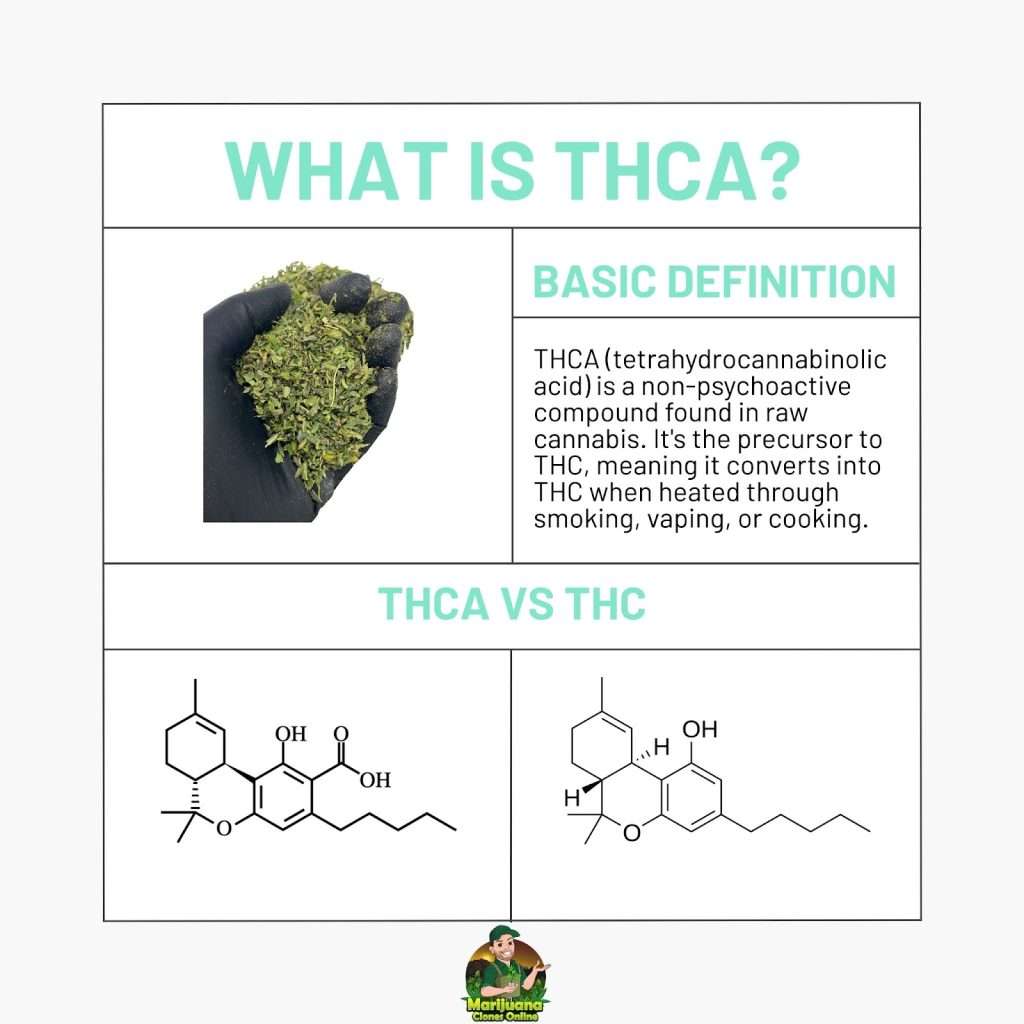
These two compounds are closely related, but how they behave in your body couldn’t be more different. THCa is what you’ll find in raw, freshly harvested cannabis. Delta-9 THC is what happens after a little heat enters the picture.
If you’ve ever smoked a joint, hit a vape, or baked some edibles, you’ve already taken part in this transformation, whether you knew it or not.
THCa stands for tetrahydrocannabinolic acid. It’s the original form of THC found in raw cannabis plants. You can think of it as the prequel to the “high” you feel from weed. It does not cause intoxication on its own.
Delta-9 THC, on the other hand, binds directly to your CB1 receptors and sparks up those classic cannabis effects. I am talking about euphoria, relaxation, appetite, and altered perception.

THCa vs Delta-9: What’s the Core Differences
As we have seen, THCa and Delta-9 THC come from the same plant but show up in completely different ways. Here is a more in-depth comparison.
Psychoactive Effects
The biggest difference most people care about comes down to the high. Delta-9 delivers a direct and unmistakable buzz. It hits fast, and for some, it hits hard. THCa on its own won’t do that. But once it’s heated, it transforms into Delta-9, unlocking those same euphoric effects.
Even though the conversion leads to similar potency, THCa provides a smoother, more clear-headed high with fewer side effects like anxiety or mental fog. The buzz feels balanced, especially for those who find traditional Delta-9 products overwhelming.
Medical Benefits
Both THCa and Delta-9 bring something different to the table when it comes to your wellness. THCa in its raw form delivers therapeutic support without getting you high. If you’re dealing with inflammation, joint pain, or nausea, THCa can provide gentle relief without altering your headspace.
Many people use raw tinctures, capsules, or even fresh cannabis juice to tap into its benefits. You might also find THCa helpful for migraines or as a daily supplement to support overall balance.
Delta-9 steps in when you need something stronger. It’s commonly used for managing appetite loss, chronic pain, sleep issues, or anxiety, especially during cancer treatments or recovery from serious illness.
Because Delta-9 is psychoactive, it helps your body relax, but you should also be aware that it can cause mental fog or anxiety if you’re sensitive to THC. Your experience will depend on how your body responds and what kind of relief you’re looking for.
Side Effects & Safety
Every cannabinoid comes with its own set of pros and cons, and it’s important to know what you’re getting into before choosing between THCa and Delta-9. If you’re using raw THCa, you’re not likely to experience side effects.
It doesn’t bind to your cannabinoid receptors the way Delta-9 does, so there’s no intoxication, no mental fog, and no crash. That makes it a go-to option for those who want relief without psychoactive effects.
Once THCa is heated and converted into Delta-9, the experience changes. You might feel euphoric, relaxed, and uplifted, but you also need to watch out for dry mouth, dizziness, fatigue, red eyes, or even anxiety. If you’re prone to paranoia, traditional Delta-9 edibles or concentrates can hit too hard.
Another thing you need to consider is product quality. Some THCa carts and flower on the market are sprayed with synthetic cannabinoids or packed with untested additives.
These can cause irritation, lung issues, or unpredictable effects. That’s why it’s so important to source clean, lab-tested products from trusted growers. If your THCa is not coming from real flower and verified genetics, you’re taking a risk every time you inhale.
And if you’re sensitive to THC or trying to avoid building up a fast tolerance, pay attention to how you dose.
Legality
On paper, THCa is federally legal under the 2018 Farm Bill, as long as the product contains less than 0.3% Delta-9 THC by dry weight before it’s heated. That makes it legal to buy and ship in many states, even ones where traditional cannabis is still prohibited.
But here’s where things get tricky. Once you apply heat to THCa flower, through smoking, vaping, or cooking, it turns into Delta-9. That means you’re now consuming a psychoactive compound, even if the label said “THCa.” This puts you in a legal grey area.
Some states treat THCa the same as Delta-9 once it’s activated. Others haven’t caught up with the science yet, leaving you vulnerable to interpretation.
Delta-9 THC is still federally illegal. Some states allow it for medical use, others for full adult use. If your state doesn’t permit Delta-9, you could run into legal trouble for carrying or consuming it, even if it came from hemp.
Drug Testing: Will THCa Get You in Trouble?
THCa might seem like a safe bet, especially since it’s non-psychoactive in raw form, but your body doesn’t care about technicalities. Most standard drug tests look for THC metabolites, not whether the THC came from raw or heated sources.
Once THCa is heated and converted into Delta-9, it will absolutely show up on a drug test. And even if you consume raw THCa, there’s still a chance that some of it gets metabolized into detectable THC, especially in large doses or with consistent use.
This catches a lot of people off guard. They think they’re in the clear using THCa tinctures or flower, but end up failing a test anyway. If your job, insurance, or legal situation depends on a clean screen, you need to treat THCa with caution, especially if you’re not 100% sure how your body processes it.
How to Choose Between THCa and Delta-9 Products
The choice comes down to the key factors below:
Desired Outcome and Use Case
THCa works well for wellness routines and therapeutic support without intoxication. It can be used for managing inflammation, nausea, and joint discomfort while keeping the mind clear. This makes it a strong option for those using cannabis as part of a daily health strategy.
Delta-9 is better suited for recreation or stronger medical relief. It offers full-body relaxation, mood elevation, and appetite stimulation. It’s a match for nighttime use, deep recovery, or chronic pain management.
Individual Tolerance and Sensitivity
THCa in its raw form avoids the heady effects associated with Delta-9, making it easier to manage for beginners or those prone to anxiety. Once decarboxylated, however, the effects mirror Delta-9 and may lead to faster tolerance buildup, especially when smoked often.
Delta-9 is fast-acting and potent. While it delivers powerful effects, it may also cause fatigue, mental fog, or discomfort in those sensitive to THC. Experience level plays a big role in how well Delta-9 is received.
Legal Access and State Laws
THCa is federally legal under the 2018 Farm Bill, provided it remains under 0.3% Delta-9 THC by dry weight before use. This makes it available in more regions, even those without full cannabis programs. However, once heated, THCa converts to Delta-9, placing it in a legal gray zone in some states.
Delta-9 is federally illegal but legal in several states for medical or recreational use. Access depends entirely on local laws, and possession may carry legal risk in areas without legalization.
Risk of Drug Testing
Both THCa and Delta-9 can lead to a positive drug test, especially once THCa is decarboxylated. Even unheated THCa carries some risk of partial metabolization into THC compounds. For individuals in testing environments, neither cannabinoid is guaranteed to be undetectable.
Product Quality and Source
The safest and most effective results come from products grown with clean, verified genetics and tested for potency and contaminants. Spray-coated hemp and untested concentrates introduce safety risks.
Marijuana Clones Online offers phenohunted, lab-tested THCa flower grown from elite mother stock, providing premium effects without compromise.
Which One Should You Choose?
THCa and Delta-9 share the same roots, but they lead to very different experiences. The choice depends on your goals, your comfort level with psychoactive effects, and how you plan to use cannabis in your daily life.
THCa makes sense when the goal is to support wellness without intoxication. It can be used raw for inflammation, joint discomfort, and recovery, or heated for a smoother, more functional high. This is a strong choice for people looking for clarity, daytime relief, or a gentler introduction to cannabis.
Delta-9 delivers strong, fast-acting effects that are better suited for deeper relaxation, mood enhancement, or sleep support. It’s commonly used by those who need stronger symptom relief or who already have a high tolerance for THC.
Choose THCa if:
- Non-psychoactive benefits are the goal
- There’s a need for daytime clarity
- You want to avoid overwhelming effects
- You live in a state with strict cannabis laws
Choose Delta-9 if:
- Immediate, powerful effects are needed
- You’re managing intense pain, sleep issues, or appetite loss
- Your state allows adult-use or medical cannabis
- You have a high THC tolerance and want something stronger
But, whatever your path, quality matters, so only buy from trusted brands. Another common cannabinoid in the market has created to identify the THCa vs THCp differences which we outline in another blog post.
Want the Same Strains the Pros Use?

Explore Marijuana Clones Online’s THCa flower and clone genetics, trusted by commercial growers, now available to home growers too. Shop premium THCa flower now.