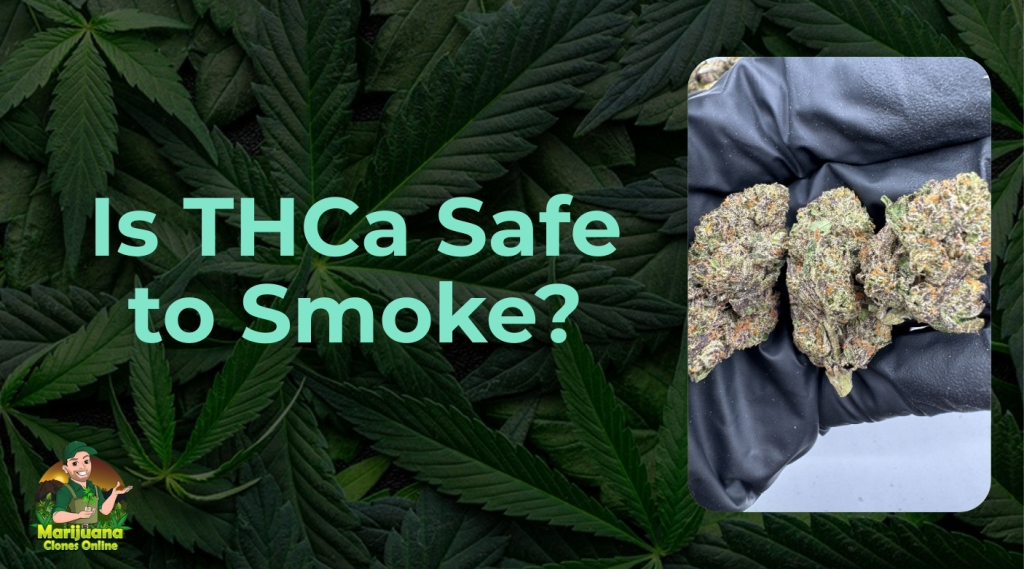
Yes, smoking THCa can be safe if sourced properly and consumed responsibly. Once heated, THCa converts into THC, delivering typical cannabis effects. However, risks like respiratory irritation, product contamination, and lack of regulation mean you must vet sources and methods carefully.
But how do you know if what you’re smoking is actually safe, and not dressed up hemp in disguise?
Let’s break it all down and explain how THCa works, what to watch out for, and how to enjoy it without getting burned.
What Is THCa and How Does It Work?
THCa is the raw cannabinoid found in freshly harvested cannabis flower. It does not produce a high in its natural state and remains non-psychoactive until heat is applied. Once exposed to high temperatures during smoking or vaporization, THCa converts into Delta-9 THC through a process called decarboxylation.
This transformation is what delivers the same intoxicating effects associated with traditional cannabis. While raw THCa is sometimes consumed for its potential therapeutic properties, heating it unlocks its psychoactive power.
Although THCa flower is technically compliant with federal regulations under the 2018 Farm Bill, the moment it is smoked, it behaves like conventional cannabis. This legal nuance allows consumers to purchase potent THCa products without visiting a dispensary, as long as the flower remains under the Delta-9 THC threshold prior to consumption.
That’s the catch. It starts out compliant and ends up delivering a full-strength experience.

Types of THCa Products
THCa is available in multiple formats, and each one affects the body differently depending on how it is consumed.
THCa Flower
This is the most popular and widely available form. THCa flower looks and smells like traditional cannabis, but it contains non-psychoactive THCa instead of active Delta-9 THC. When smoked or vaporized, it delivers a strong, fast-acting high because the THCa converts instantly into THC.
Another popular, wildly potent option is THCa moonrocks, which are THCa flower nugs coated in distillate and dusted with THCa kief. You can find out how to smoke moonrocks here.
Pre-Rolls
Pre-rolls offer convenience for those who prefer not to grind or roll their own flower. However, product quality varies. Some pre-rolls are packed with trim or sprayed flower, which may burn poorly or taste harsh.
High-quality pre-rolls use a mix of whole flower and sugar trim, improving smoothness and potency. This format is beginner-friendly but still requires awareness of sourcing.
THCa Diamonds and Isolate
Diamonds and isolate are highly refined forms of THCa, often dabbed for intense effects. These products are extremely potent and best suited for experienced users. While they deliver high bioavailability and rapid onset, daily use of these concentrates may raise concerns about tolerance or lung impact.
Tinctures and Edibles
Raw THCa can be preserved in oil-based tinctures or cold-pressed edibles. These methods allow consumers to benefit from THCa’s potential therapeutic effects without converting it into THC. Because they avoid combustion, they are ideal for individuals seeking wellness benefits without intoxication or respiratory strain.
Smoking THCa vs Other Consumption Methods
How THCa is consumed plays a major role in both its effects and its safety profile. Some methods transform the compound entirely, while others maintain its raw form. Each route comes with unique benefits and potential drawbacks that should be weighed carefully before use.
Smoking vs Vaping THCa
Smoking THCa activates it immediately, delivering a traditional cannabis high through decarboxylation. This method is fast and effective but involves combustion, which can irritate the lungs and expose the user to harmful byproducts.
Vaping offers a smoother alternative by heating the flower or concentrate at lower temperatures. This avoids full combustion, reducing exposure to tar and providing better preservation of flavor and cannabinoids. For users with mild respiratory concerns, vaping is often considered the cleaner choice.
Is Eating THCa Safer?
Raw THCa can be consumed through juicing or in oil-based products. These options preserve the compound’s potential benefits for inflammation, nausea, or neuroprotection without turning it into Delta-9 THC.
Because there is no heat involved, these products do not produce a high. For individuals seeking therapeutic effects without intoxication or smoke exposure, raw THCa in edible form is a promising alternative.
Safer Alternatives for Sensitive Users
Individuals with respiratory conditions or a history of cannabis-related discomfort may benefit from using non-inhalable options. Tinctures, edibles, or softgel capsules can deliver THCa or THC (if decarbed first) in a controlled way, without the risks linked to smoking or dabbing. These forms also allow for more precise dosing and reduce the chance of overconsumption, which can happen easily when smoking high-potency flower.
You may be wondering is THCa flower sprayed, but it is in fact not sprayed, and grown naturally just like any other cannabis you’d find in a recreational dispensary.
How Does Smoking THCa Compare to THC or CBD?
Once heated, THCa transforms into Delta-9 THC, producing nearly identical effects to smoking traditional cannabis. This means users can expect a strong, fast-acting high with similar euphoria, altered perception, and appetite stimulation.
For anyone familiar with dispensary-grade flower, the experience with activated THCa will feel familiar in both intensity and duration.
Unlike CBD, which remains non-psychoactive even when smoked, THCa does not offer a mellow or purely therapeutic experience once combusted. CBD is often used for anxiety, inflammation, and general wellness without cognitive impairment.
THCa, after decarboxylation, engages the same receptors as Delta-9 THC and introduces psychoactive effects that CBD simply does not provide.
There is also a distinction in how these cannabinoids interact with mental clarity and body response. Some users describe THCa highs as smoother or less foggy than typical dispensary weed, possibly due to cleaner genetics or higher terpene preservation.
However, these differences often depend on the source, growing method, and product quality. While THCa and THC become chemically identical once heated, the context of the flower’s cultivation and curing process can shape the overall feel of the experience.
Concerns and Safety Red Flags
Not all THCa products are reliable or responsibly made. Without proper oversight, the market has become flooded with flower that may look legitimate but carries hidden risks. Here are the most common red flags and safety issues consumers should watch for:
- Lab Report Falsification. Some vendors display outdated or manipulated Certificates of Analysis. Always verify lab results from third-party, DEA-certified facilities and check for full-panel testing that includes pesticides, heavy metals, and residual solvents.
- Contamination from Spraying. To mimic high-potency cannabis, certain manufacturers spray low-grade hemp with synthetic cannabinoids or THCa isolate. These products can taste harsh, burn unevenly, and pose serious health risks.
- Overconsumption Risks. Because THCa looks and smells like traditional flower but is often perceived as legal or milder, new users may smoke too much too fast. This leads to unpleasant side effects like dizziness, paranoia, or nausea, especially with high-potency indoor strains.
- Health Impact Unknowns. Research on the long-term effects of smoking THCa is limited. Although it functions similarly to THC once heated, very little data exists on repeated exposure, tolerance development, or respiratory outcomes specific to this compound.
- Shipping and Legal Anxiety. Even though THCa flower complies with the 2018 Farm Bill prior to heating, the legal landscape remains inconsistent. Some states consider it equivalent to THC once combusted, raising concerns about possession and shipping legality.
How to Use THCa Flower Safely
Smoking THCa can be part of a safe and enjoyable experience, but only if it’s done with care, intention, and reliable flower. Those who rush in or cut corners are often the ones who run into problems. A few adjustments to how you approach THCa can make a major difference in safety and satisfaction.
Start Low and Observe
Even seasoned cannabis users can underestimate THCa potency. The label might show 25 or 30 percent THCa, but once it’s heated, you’re essentially consuming high-potency Delta-9 THC. Begin with one small inhale, especially if you’re trying a new strain or product. Pay attention to how your body responds before taking more.
Choose the Right Smoking Method
Water pipes and vaporizers offer smoother delivery and better temperature control. A quality bong can cool and filter the smoke, which makes it easier on your lungs. Vaporizers avoid combustion entirely, preserving flavor and reducing respiratory irritation. Pre-rolls are convenient but often burn hotter and harsher if made with trim or dry flower.
Use Clean, Quality Gear
Old pipes, resin-filled glassware, or uneven heating tools introduce harsh smoke and make it harder to enjoy your session. Make sure your gear is clean, functioning properly, and made for cannabis. This small step helps reduce throat irritation and boosts overall safety.
Store It Correctly
Exposure to heat and humidity can degrade cannabinoids and terpenes. For longer shelf life and preserved potency, store your THCa flower in a cool, dark place. Some users freeze it to extend freshness. This can help maintain the cannabinoid structure and prevent mold or flavor loss.
Know Your Source
Not all THCa flower is made with safety in mind. Look for brands that grow in clean, controlled environments and publish full-panel lab results.
So, Is Smoking THCa Safe?
Smoking THCa can be safe, but only when the product is clean, tested, and consumed with awareness. The molecule itself does not introduce unique harm, especially when compared to traditional cannabis. Once heated, THCa becomes Delta-9 THC, offering the same effects users expect from dispensary-grade flower. The difference lies in the quality of the source and the method of consumption.
Combustion always comes with some level of risk. Those with sensitive lungs or underlying health concerns may want to consider vaping or non-inhalable options like tinctures and edibles.
For everyone else, responsible use begins with verifying that your flower is free from pesticides, mold, and synthetic additives. Trustworthy brands make this information easy to find and transparent.
🔥 Smoke Fire You Can Trust

Tired of sketchy THCa from random vendors? Get premium, lab-tested THCa flower with real potency and zero BS. Same elite genetics, expertly cured and ready to spark.