

Terps is slang for terpenes, the aromatic compounds in cannabis that influence its smell, flavor, and effects. These natural oils shape how weed tastes and how it makes you feel, from uplifting citrus to sedating earthiness.
So how do these flavorful compounds actually affect your high? And why are cannabis lovers obsessed with them?
Let’s break it down.
What Terps Mean in Cannabis
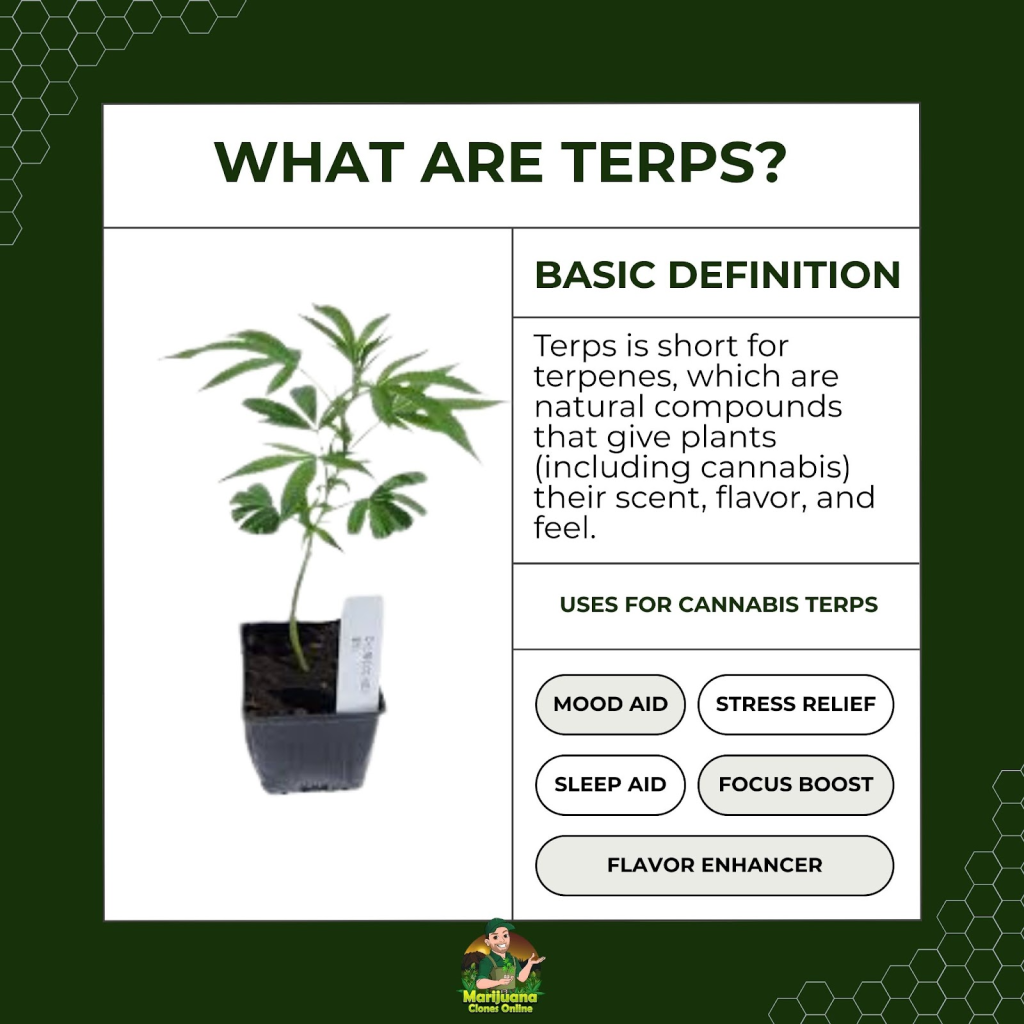
Terps, as a term, is short for terpenes, and in cannabis, they are the secret sauce behind what your bud smells like, how it tastes, and even how it makes you feel. These naturally occurring compounds are produced in the trichomes of the plant.
Terpenes are not exclusive to cannabis. They exist in nearly every plant on Earth. The citrusy kick of lemon, the pine scent of a forest, and the relaxing aroma of lavender all come from different terpenes.
In cannabis, though, they take center stage. They define the personality of each strain, offering hints of fruit, fuel, spice, or candy.
Key Cannabis Terpenes
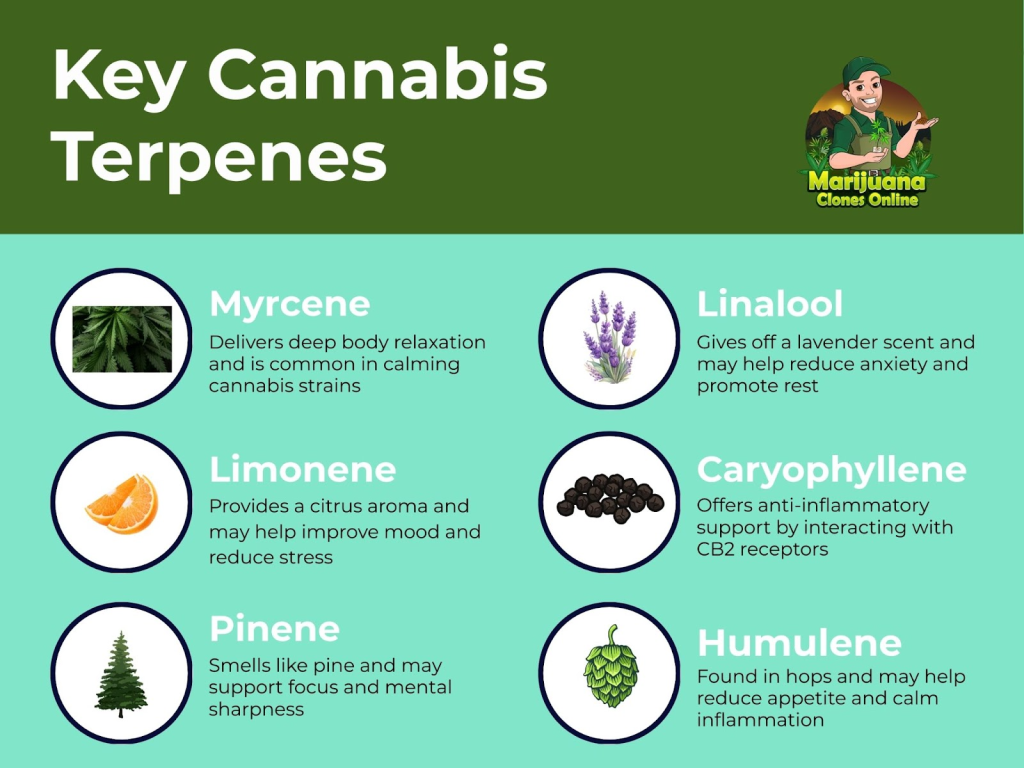
There are over 150 terpenes identified in cannabis so far. Some are loud and unmistakable, while others are subtle, contributing to a strain’s complexity.
Below are some of the most prominent terpenes found in cannabis and how they influence the overall experience.
Myrcene (Earthy and Sedating)
Myrcene is one of the most common terpenes in cannabis. It gives off an earthy, musky aroma and is also found in mangoes, thyme, and lemongrass. Myrcene is often associated with relaxing, body-heavy effects and plays a big role in indica-dominant strains known for their couch-lock tendencies.
Limonene (Bright and Uplifting)
Limonene offers a strong citrus scent, like orange peels or lemon rinds. Beyond the aroma, this terpene is linked to mood elevation and mental clarity. It’s popular among those who want an energizing or anxiety-reducing effect without a sedative crash.
Pinene (Crisp and Alert)
Pinene smells like a pine forest. It’s also present in rosemary and basil. Many believe it helps with mental clarity and focus, and some even say it can counteract short-term memory issues sometimes caused by THC. It’s often preferred in strains that promote clear-headed daytime use.
Linalool (Floral and Calming)
Linalool brings a lavender-like scent and is known for its calming, anti-stress qualities. It may also support sleep and mood balance. Linalool-rich strains tend to appeal to those looking for relaxation without full sedation.
Caryophyllene (Peppery and Grounding)
This terpene is unique because it binds to cannabinoid receptors, particularly CB2. Unlike other terpenes, it interacts directly with the endocannabinoid system, which makes it popular among users looking for anti-inflammatory relief.
Humulene (Woodsy and Appetite-Reducing)
Humulene delivers a deep, woody aroma and is found in hops and sage. It has been linked to appetite suppression and anti-inflammatory effects. This terpene often complements strains intended for functional, daytime use.
Benefits of Terpenes in Cannabis
Terpenes affect the way cannabis performs and how it feels during use. As a result, their influence creates advantages that reach into both recreational enjoyment and therapeutic support.
Effect Modulation Through the Entourage Effect
Terpenes support the entourage effect, a term used to describe how cannabinoids and terpenes work together. Instead of acting alone, THC and CBD may behave differently depending on which terpenes surround them. For example, limonene can brighten the effects of THC, while myrcene might slow things down and create a more relaxing high.
Targeted Support for Medical Symptoms
Medical users often look for specific terpenes to support issues like pain, anxiety, or insomnia.
- Linalool is linked to calm and may support better sleep.
- Myrcene may ease tension in the body.
- Pinene offers mental clarity that can help users stay functional throughout the day.
These compounds give patients a more precise way to approach symptom relief.
Improved User Experience and Satisfaction
Flavor plays a big role in how enjoyable a strain feels. High-terpene strains offer complex layers of aroma that enhance the smoking or vaping experience. Most consumers return to strains with strong, pleasant terpene profiles.
More Accurate Strain Selection
Strain names like indica or sativa often fail to predict how a product will actually feel. Terpene profiles offer a more consistent way to forecast effect. A limonene-dominant strain usually feels different from one heavy in caryophyllene, no matter the label. That’s why many growers and extractors test terpene levels as part of quality control.
Applications Beyond Smoking
Terpenes also appear in concentrates, edibles, topicals, and even aromatherapy products. Some manufacturers isolate terpenes and reintroduce them into vape oils or tinctures to enhance flavor and effect. These applications give consumers more ways to explore how terpenes influence their experience across different formats.
How Growers Preserve Terps (And How You Can Too)
Terpenes are delicate and easily damaged during the growing, drying, and curing process. These tips will help you protect them at home.
Harvest Timing Matters
Timing is critical. Harvesting too early or too late can reduce terpene levels dramatically. Most growers monitor trichome development under magnification and aim to harvest when the resin heads turn cloudy with a hint of amber. This window tends to capture both peak cannabinoid and terpene expression.
Low-Temperature Drying
Terpenes begin to evaporate at relatively low temperatures. Drying cannabis in a cool, dark room around 60°F with 55 percent humidity helps preserve volatile oils. Fast drying at higher temperatures can burn off top-end terpenes, leaving buds that smell flat or taste bland.
Slow and Controlled Cure
After drying, a proper cure deepens aroma and smooths flavor. Buds should be sealed in airtight containers and “burped” regularly for several weeks. This slow process stabilizes moisture and enhances terpene expression. Curing too fast or skipping this step often leads to weak-smelling flower.
Use of Proper Storage Materials
Glass jars with airtight seals are still the gold standard for terp preservation. Plastic containers or bags can hold static, attract trichomes, and degrade terps.
Light-blocking, UV-proof jars or cool, dark storage areas extend shelf life and help the flower retain its full profile.
Clonal Consistency
Terpenes can drift if strain genetics are not preserved properly. Phenotype drift over time may weaken terpene strength in seed-grown plants. Many growers use clones taken from a strong mother plant to maintain the same terp profile from crop to crop.
Tissue Culture and Clean Rooms
Advanced growers and facilities use tissue culture to lock in elite terpene genetics and reduce pathogen risk. Clean grow rooms with controlled humidity and airflow protect against mold and environmental stress that can impact terpene production.
You can preserve Terps, too, if you are a home grower.
- Use gentle harvest methods
- Avoid heat exposure
- Cure in glass containers
- Avoid opening jars repeatedly
- Store buds in a cool, dark space to extend terp freshness.
Terps Concerns You Should Be Aware Of
Terpenes add richness to cannabis, but not all products preserve them well or use them honestly. As demand for flavorful, effect-driven strains grows, so do concerns about quality, consistency, and even safety.
These are the key issues to watch for as you shop for terp-rich flower, vapes, or concentrates.
Synthetic Terpenes in Vapes
Many vape cartridges on the market today use botanical or synthetic terpenes to mimic natural cannabis flavor. While some are clean and well-crafted, others taste artificial and harsh.
Some users report headaches or throat irritation after using products with synthetic terps. These concerns often trace back to poor formulation or low-quality ingredients. If a vape tastes like candy or chemicals, there’s a good chance it was built with synthetic flavorings instead of cannabis-derived terpenes.
Terpene Degradation After Curing
Terpenes are volatile and sensitive to light, heat, and oxygen. Buds stored improperly or cured too fast can lose their scent within weeks. Many users have opened a jar only to find that the loud smell has faded or disappeared entirely.
A slow, cold cure followed by dark, airtight storage helps preserve these delicate compounds. Without that care, terpene loss is unavoidable.
Inconsistent Labeling Across Products
Two eighths of the same strain from different dispensaries can smell and taste completely different. This happens when growers use different phenotypes or fail to stabilize their terpene expression across batches.
It also happens because terpene testing is not standardized industry-wide. Without consistent regulation, buyers cannot always trust what’s on the label.
Lack of Terpene Transparency
Despite their importance, many cannabis products still don’t list terpene content on the label. Buyers are left guessing what they’re actually getting. Some dispensaries hide terpene results or avoid terp testing entirely. This lack of transparency makes it harder for people to shop based on experience, not hype.
Uncertainty Around Medical Effects
Many users want to target issues like anxiety, sleep, or chronic discomfort using terpene-specific strains. Still, confusion remains about which terps actually support which conditions.
Linalool, myrcene, and caryophyllene are commonly linked to calming or pain-relieving effects, but research is still evolving. Without clear guidance, people often feel unsure about what to look for.
Final Word: Why Terps Deserve Your Attention
Terpenes influence how cannabis tastes, how it feels, and how deeply it connects to your body and mind. They shape moments, whether it’s the clear focus from a citrus-forward sativa or the peaceful stillness of an earthy, lavender-rich indica.
Once you tune in to terps, you stop choosing cannabis based on strain names or numbers. You start noticing what makes a certain batch feel smooth, flavorful, or deeply effective. That shift can change everything, from how you shop to how you grow.
If you want cannabis that delivers a real experience, focus on the terps.
- Choose flower that speaks loud through scent
- Grow genetics that hold their profile from cut to cure
- Avoid synthetic distractions
- Trust the plants that express themselves fully through flavor and effect.
This is why terpenes deserve your attention. They carry the soul of the strain, and they bring the smoke to life.
Want to experience loud terps now or grow them at home?
Order terpene-rich THCa flower for instant flavor and pick up terp heavy marijuana clones to grow the same cut in your own garden.