
Can you tell how much weed is in a bag just by looking at it, or is that a rookie mistake?
Most of the time, it’s a mistake.
Many new cannabis users rely on sight to judge amounts, but the truth is, appearances can be deceiving. A fluffy eighth might look twice the size of a dense one, even though both weigh exactly 3.5 grams.
This guide breaks down every common cannabis quantity, from single grams to full pounds, so you can feel confident whether you’re shopping for weed.
Read on.
The Standard Weed Measurement Units
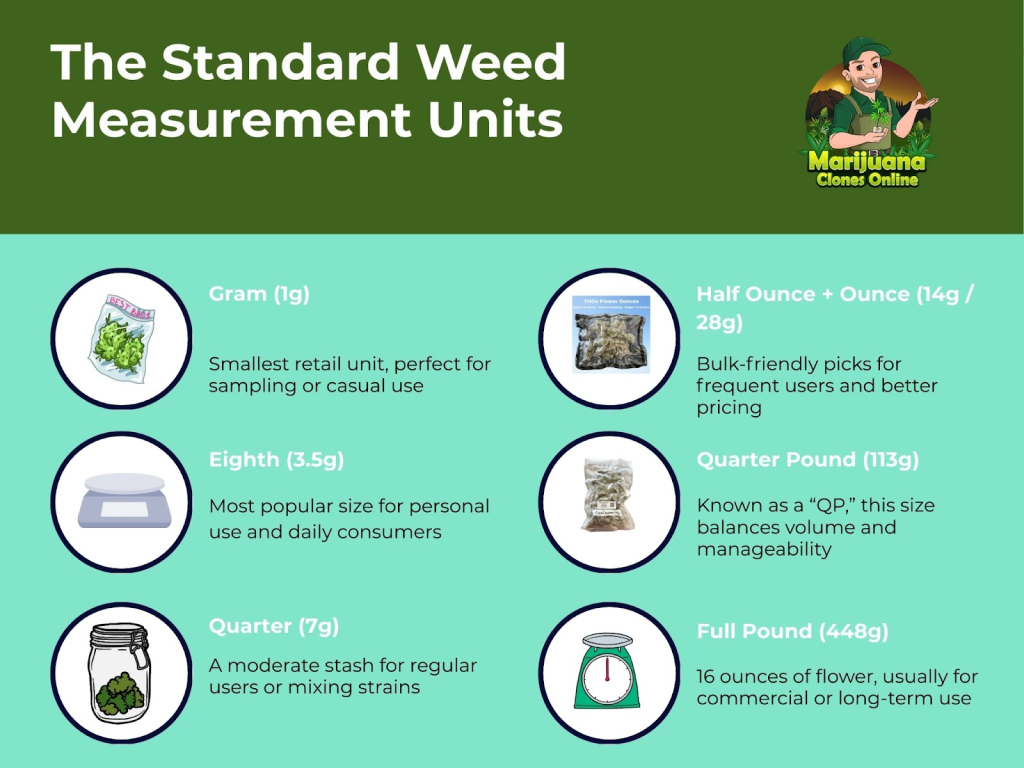
Before you can shop confidently, roll accurately, or grow efficiently, you need to know the basic units used to measure cannabis. Every bag, jar, or order you come across will refer to one of these core quantities.
Gram (1g)
A single gram of cannabis is the smallest commonly sold unit. It’s usually enough to roll a couple of standard-sized joints or pack a few bowls. This is the go-to for anyone trying a new strain or shopping on a tight budget.
Eighth (3.5g)
An eighth of an ounce weighs 3.5 grams. An eighth of weed is one of the most popular sizes for everyday consumers. It offers a balance between quantity and price, and dispensaries often build promotions around it. Most flower you see online or in shops will be packaged in this size.
Quarter (7g)
A quarter ounce is double an eighth. It’s ideal for regular users who want to stock up without stepping into bulk pricing territory. It also gives a bit more flexibility if you’re splitting between two strains.
Half Ounce (14g)
A half ounce holds 14 grams. At this stage, you’re getting closer to bulk value. It’s common among daily users or those who prefer fewer trips to the shop.
Ounce (28g)
An ounce of weed contains 28 grams and is often the legal possession limit in recreational states. It’s a smart move for experienced consumers, and it offers one of the lowest cost-per-gram options. Many buyers looking to stretch their budget choose ounces. We are now offering THCa ounces shipped nationwide, so be sure to check them out!
Quarter Pound (113g)
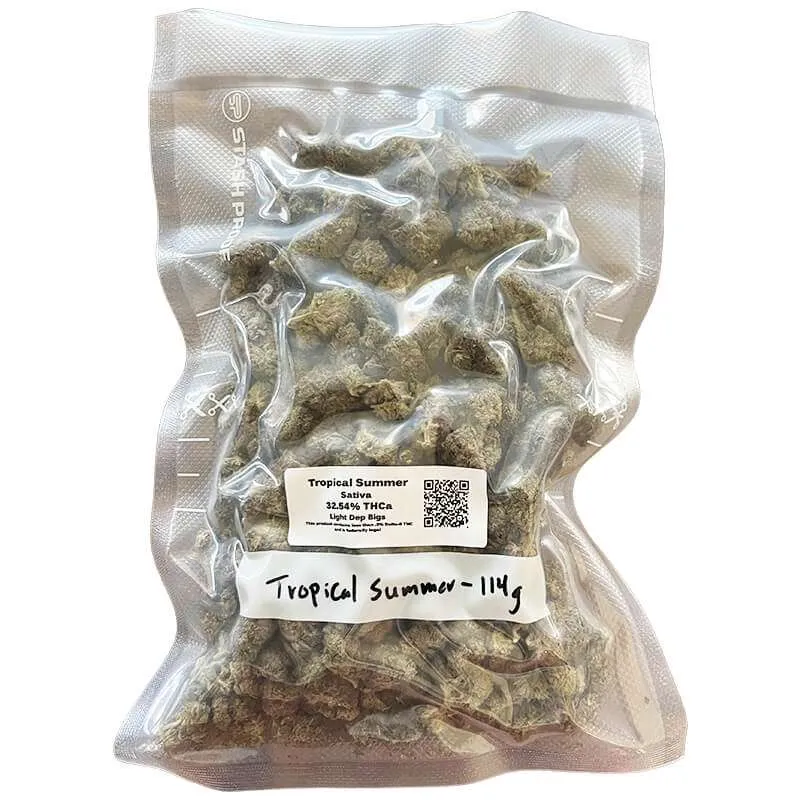
This size is known as a “QP.” It’s a favorite for serious users or those sourcing for personal bulk use. It sits in a sweet spot between manageable size and significant savings. We offer THCa flower quarter pounds for as low as $200!
Half Pound (224g)
This is typically the starting point for small-scale commercial growers or buyers with high personal demand. Half pounds are often packaged tightly and handled with care to preserve freshness over time.
Full Pound (448g)
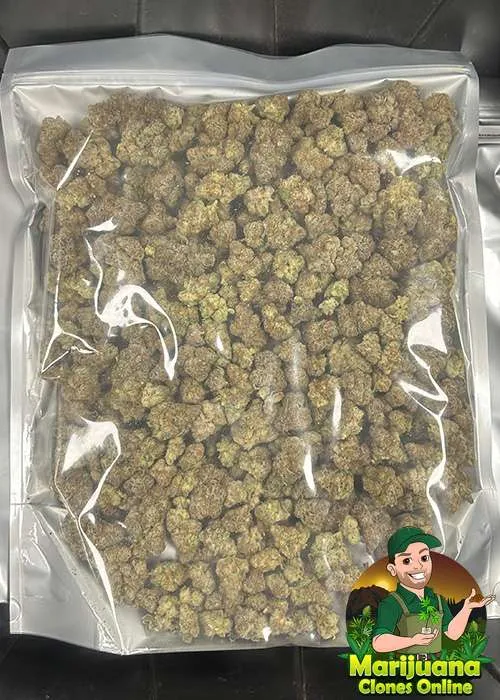
A full pound contains 16 ounces or 448 grams. It is generally handled by licensed growers, commercial buyers, or serious consumers who prefer to keep a steady supply on hand.

Metric vs. Imperial: Why the Confusion?
Cannabis is one of the rare industries that never fully chose a side between measurement systems. Most everyday products stick to either metric or imperial, but weed lives in both worlds, and that creates confusion for new buyers.
Lab tests measure potency in milligrams per gram. Packaging labels often list net weight in grams. Yet when people talk about buying flower, they usually refer to ounces and pounds. These terms are not interchangeable without conversion, but they get used like they are.
This blend of systems is a byproduct of legacy culture and modern regulation trying to coexist. Legal markets adopted the precision of grams to meet testing and compliance standards. Meanwhile, traditional terms like eighths, quarters, and ounces never went away.
A simple way to keep things clear is to memorize the core conversion: 1 ounce equals 28 grams. Once that baseline is locked in, the rest of the common weights fall into place. Without it, you can easily overpay, misread a label, or misunderstand how much product they’re actually receiving.
Pricing Weed by Weight
The cost of cannabis is closely tied to weight. Each common unit, whether it’s a single gram or a full pound, has its own pricing curve.
So, how much does each unit cost?
Prices vary based on quality, location, and source, but here’s a realistic breakdown:
- Gram (1g): $10 to $15
- Eighth (3.5g): $25 to $60
- Quarter (7g): $45 to $90
- Half Ounce (14g): $40 to $130
- Ounce (28g): $50 to $200
- Quarter Pound (113g): $250 to $450
Smaller amounts are more expensive per gram because of packaging, labor, and retail markup. Larger amounts benefit from bulk pricing and are often a better long-term value.
Quality also affects price. Indoor-grown flower with exotic genetics sits at the top, while light dep or outdoor options typically come in lower. Region matters too. Prices in California might be more competitive than in states with limited access or heavy taxes.
How Dispensaries Weigh Weed
Dispensaries are required to follow strict protocols when weighing cannabis, but not all weigh their product the same way. Some sell pre-packaged flower, others operate deli-style. The difference matters when it comes to accuracy, freshness, and buyer trust.
Pre-Packaged Flower
Most dispensaries sell cannabis that’s been pre-weighed, sealed, and labeled before it hits the shelf. These sealed bags or jars are packaged by licensed producers in state-approved facilities. They’re labeled with strain name, cannabinoid content, harvest date, and net weight, usually rounded to the nearest gram or decimal.
This method ensures consistency, but it doesn’t guarantee accuracy. Once sealed, those containers are rarely opened or re-weighed in-store.
Moisture loss over time can also cause flower to weigh slightly less than it did when packaged. If it sits too long on a shelf without proper humidity control, the difference might be enough to notice.
Deli-Style Weighing
Some dispensaries still weigh flower in front of the customer, scooping it from large glass jars on demand. This method lets buyers inspect buds up close before purchase and request a specific amount.
In states where deli-style is still allowed, it builds transparency and trust. You see the product weighed in real time, often on a digital scale that’s regularly inspected for compliance. It is acceptable to ask a budtender to verify the weight.
Still, accuracy depends on scale calibration and the budtender’s attention to detail. Even slight scale errors or rounding can affect totals.
How Shipping Conditions Affect Quality
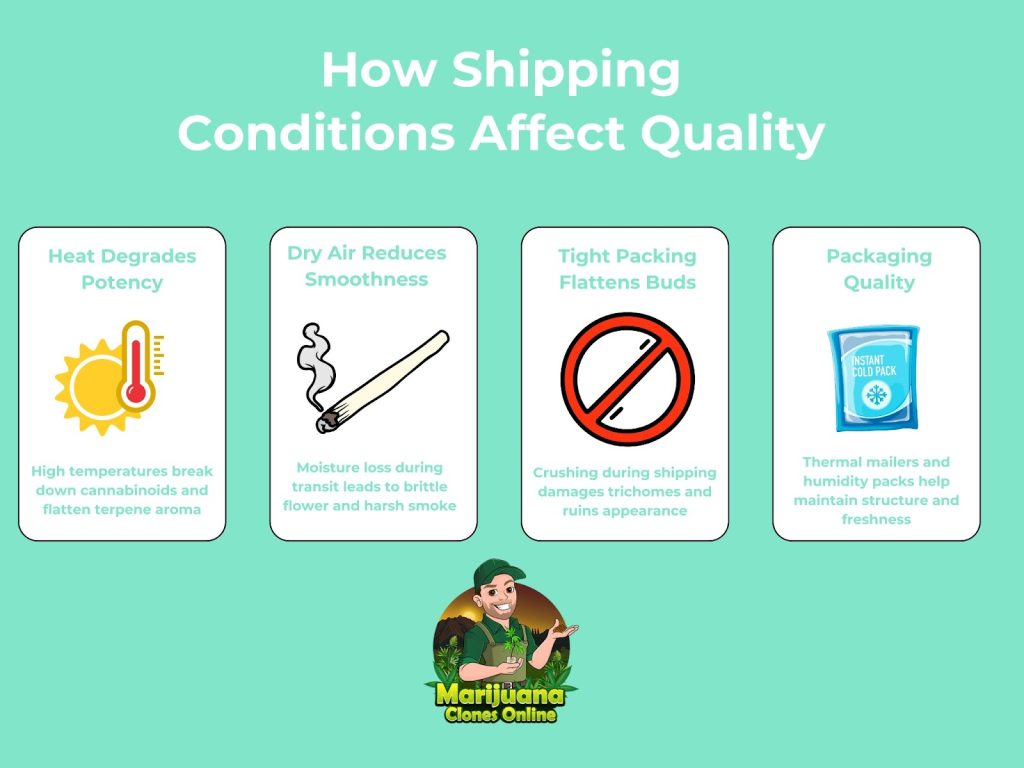
The quality of cannabis can change fast if shipping conditions are not handled with care. From the moment flower leaves the source, it becomes vulnerable to temperature swings, humidity loss, and physical damage. These variables impact smell, potency, and freshness.
Temperature Sensitivity
Heat can degrade cannabinoids and terpenes. If flower spends too much time in a hot warehouse, it might arrive smelling flat or feeling overly dry. Cold, on the other hand, poses risks for clones and live plants.
Proper packaging helps buffer against outdoor conditions. High-quality mailers with thermal liners and protective padding help preserve flower integrity.
Humidity Control
Dry air pulls moisture from cannabis quickly, making it brittle and harsh to smoke. Long shipping times or poor storage during transit can lead to this kind of breakdown. Humidity packs are often added to packaging to maintain an optimal range, usually between 58 and 62 percent.
This becomes even more important for ounces or larger quantities. If flower is stored or shipped without protection, the weight might still be accurate, but the smoking experience will suffer.
Crushing and Compaction
Large, fluffy nugs can flatten during shipping. If packed too tightly, or if the parcel is tossed around, trichomes can be lost and texture can degrade. Vacuum-sealed bags reduce oxygen exposure, but if done too aggressively, they might sacrifice structure for shelf life.
For that reason, many prefer well-packed flower in slightly pressurized bags over fully vacuum-sealed options. These retain shape, aroma, and curb appeal.
Legal Limits: What You Can Buy and Carry
Cannabis legality varies by state, and so do the limits on how much flower, concentrate, or infused product someone can legally buy or possess. These restrictions are enforced to maintain compliance within licensed markets, and ignoring them can result in fines or criminal charges, even in states where cannabis is legal.
Typical Purchase and Possession Limits
- Flower (Dry Herb): Most adult-use states allow up to 1 ounce (28 grams) per purchase or possession. Medical patients often have higher limits, ranging from 2.5 ounces to 8 ounces, depending on the state.
- Concentrates: States usually cap these at 5 to 8 grams for recreational users. Medical users may be allowed more with proper documentation.
- Edibles: These are often limited by total milligrams of THC. Recreational buyers can usually purchase up to 1000 mg of THC in infused products per day.
- THCa Flower: In states that allow hemp-derived cannabinoids, THCa flower remains federally legal if it contains less than 0.3% delta-9 THC by dry weight. However, some states have started restricting sales of high-THCa hemp.
Know Your Weights to Maximize the Experience
Weight determines how much you pay, how long your flower lasts, and how confident you feel with every purchase. So, learning what a gram, eighth, or ounce really means eliminates guesswork, protects your wallet, and builds trust between you and your product.
Whether the goal is to sample new strains, buy smarter in bulk, or plan a personal grow, clear knowledge of cannabis measurements gives you a lasting edge. It turns each purchase into a decision made with purpose instead of confusion.
Secure Your THCa Ounces, Quarters, or Pounds Today

Tap into our current stock of potent THCa flower, available in ounces and quarter pounds, grown by top-tier California farms.
For bulk orders or full pounds, view our live inventory or reach out directly by phone or email to reserve your preferred strains.