
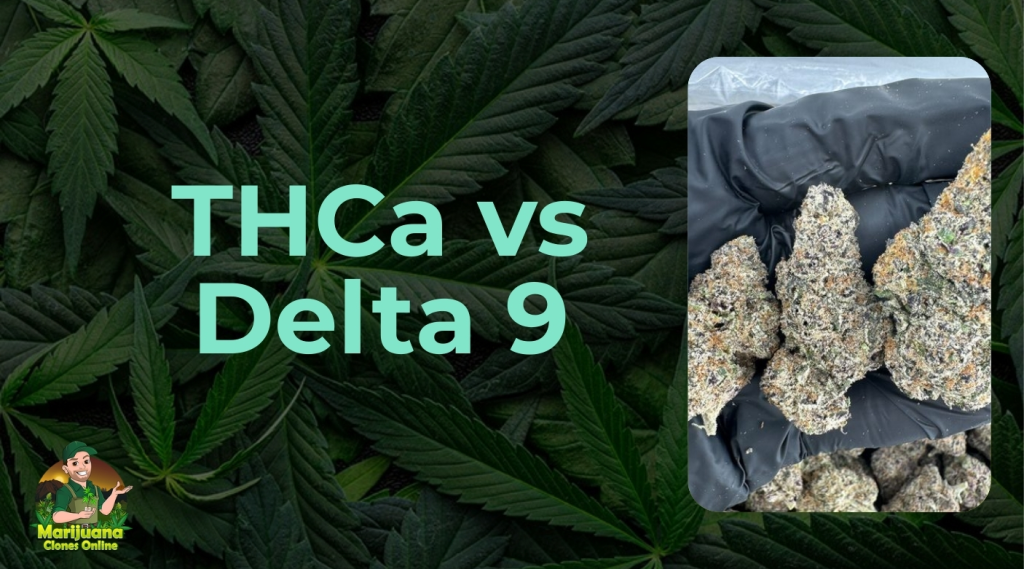
Both THCa and Delta-9 show up in products promising pain and anxiety relief, but they don’t work the same. One might mellow you out, while the other might set you off.
Although THCa and Delta-9 both have a place, if you don’t know what format you’re using, how much you’re taking, or what symptom you’re actually treating, it’s still a coin toss.
This guide explains THCa and Delta-9 to help you move forward with something that works, not one that wrecks your day.
How THCa and Delta-9 THC Work in the Body
THCa is the raw form of THC found in unheated cannabis. It does not create a high because it does not bind directly to the receptors in your brain that control mood, pain, or perception. Instead, it may work in the background by helping to reduce inflammation and support the nervous system.
That’s why many people feel more balanced or calm after using it, even though they do not feel noticeably altered.
Delta-9 THC works differently. Once heat converts THCa into Delta-9, the molecule changes shape and becomes active. It binds to receptors in the brain that control how you experience stress, anxiety, and pain. That connection is strong and fast, which is why Delta-9 can bring noticeable relief.
It can also cause problems if your system is sensitive to THC. Effects like paranoia, racing thoughts, or burnout tend to come from overdoing it, not necessarily from using the wrong strain.

Effects and Benefits
THCa and Delta-9 might come from the same plant, but they’re not interchangeable. They affect the body in different ways and serve different purposes. One is psychoactive and hits hard.
The other is raw, functional, and doesn’t send you off course. If you’re trying to manage pain, stress, anxiety, or even things like appetite or mood, choosing the wrong one can make things worse instead of better. That’s why it pays to understand how each one really behaves once it’s in your system.
Pain Relief
Delta-9 changes how pain feels. It works through the brain, muting the signal and making discomfort easier to ignore. That makes it useful for injury recovery, migraines, nerve pain, and anything that needs quick relief. It also helps people sleep when pain gets in the way.
The downside is that it often dulls more than the pain. It slows thinking, drops energy, and can leave you feeling detached or heavy.
THCa may help with inflammation-based pain, though research is still early. Most feedback comes from long-term users dealing with arthritis, gut conditions, or autoimmune issues. It doesn’t produce the same numbness that Delta-9 does.
Instead, it seems to reduce the baseline tension that keeps pain active throughout the day. That makes it more useful for ongoing management, especially when clarity and energy matter.
Anxiety
Delta-9 can be a relief or a wreck, depending on your dose, your mindset, and your THC sensitivity. Low doses sometimes help users calm down. Go past that edge, and it often flips, raising heart rate, amplifying stress, and causing panic.
These effects hit hard if you’re already anxious or if your environment is not stable. Some users try to balance this by adding CBD or using specific strains, but it takes experience and experimentation.
THCa is the safer pick for anxiety. It does not create intoxication, so there’s no rush, no mental overstimulation, and no risk of losing control. It may work in the background by supporting the body’s response to stress.
Most people who use it this way describe feeling more level, more patient, and less emotionally reactive. For users who have been burned by THC in the past, THCa offers a gentler alternative with fewer mental risks.
Stress
Stress comes in waves. This can be physical, mental, or emotional. Delta-9 can push it down, especially if your goal is to turn off and check out. It helps loosen muscles, stop looping thoughts, and give you that pause you’ve been chasing.
But the cost is often motivation. It works best at night or when you can afford to crash. Trying to use it during the day can kill productivity and leave you foggy.
THCa gives you a way to address stress without sedation. It does not dull your energy or shift your state of mind. Instead, it offers more of a calm baseline. You stay alert, grounded, and clear. That’s what makes it useful for daily stress support.
Appetite and Digestion
Delta-9 famously boosts appetite. That can be a blessing for users going through chemo, chronic illness, or appetite suppression. It kicks in fast and strongly, often triggering cravings or mindless eating.
THCa does not usually create hunger, but it may help with digestive balance. Some users report reduced nausea or stomach pain when using THCa tinctures or capsules. Early studies suggest possible antiemetic and gut-calming effects, but the data is still thin.
Sleep and Sedation
Delta-9 is the go-to for people who need help falling asleep or staying asleep through pain. Its sedative properties can slow down racing thoughts and relax the body. For some, it works better than melatonin or sleep meds. For others, especially if overused, it can lead to grogginess the next morning or increased anxiety when waking.
THCa does not put people to sleep. It doesn’t sedate or shift sleep cycles in the same way. Still, users who take it regularly often report sleeping more soundly. That likely comes from its impact on stress, inflammation, or discomfort. These are factors that interfere with rest even if you’re tired.
Mood, Focus, and Functionality
This is where the difference between THCa and Delta-9 really shows. Delta-9 shifts your mental state. It can lift mood and create euphoria, but it can also interfere with memory, speech, focus, and fine motor skills. That’s not ideal for most daytime tasks, conversations, or responsibilities.
THCa supports a functional mindset. It doesn’t lift or dull. It stabilizes.
How Format Affects Outcome
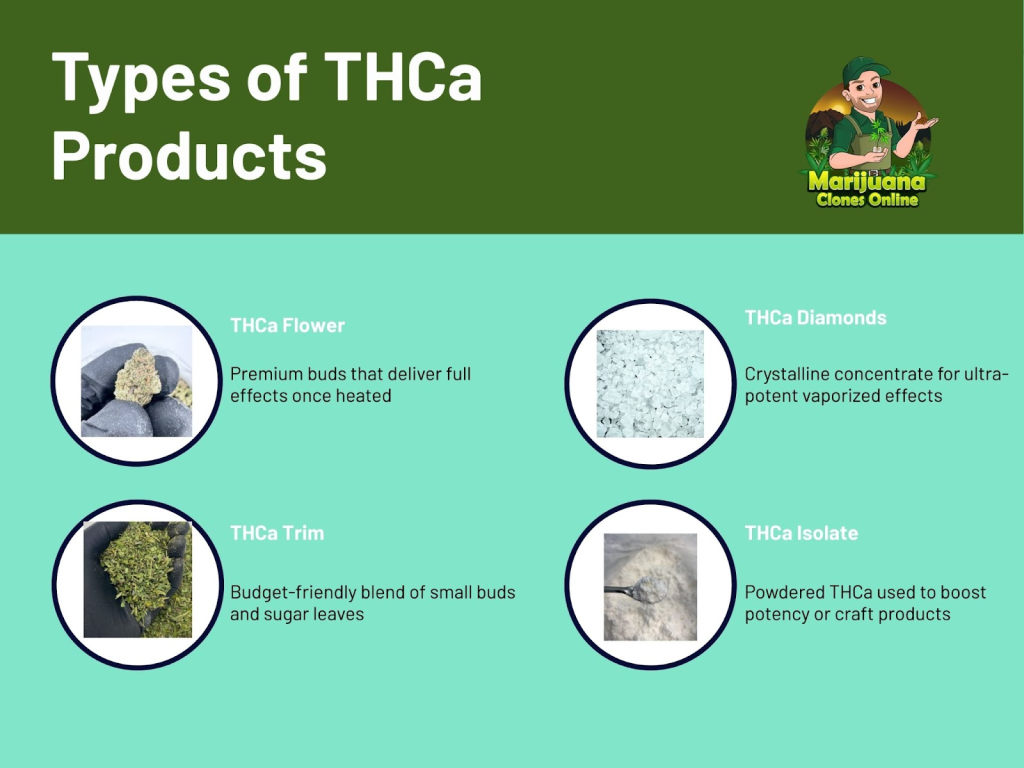
THCa is only non-psychoactive when it stays raw. Once it’s heated, it converts into Delta-9 THC. That shift changes everything. A THCa flower might sound safe until you spark it. That same product now delivers the full effects of Delta-9, including the high, the mental fog, and the potential anxiety.
On the other hand, a raw THCa tincture or capsule will stay stable and non-psychoactive, giving you a calm baseline without the mental shift. The format decides the experience, not the strain name.
Delta-9 also behaves differently depending on how you take it. Smoke or vape it, and the effects hit fast but fade sooner. Eat it, and the impact takes longer to show up, but when it does, it lasts hours and tends to hit harder.
That long duration can be useful for sleep or pain, but it can also go sideways if you overshoot your dose. A gummy that feels weak after 30 minutes can slam you an hour later.
Are There Side Effects to Watch Out For
Yes, every compound comes with a tradeoff. Relief is real, but so are the risks, especially if you don’t know what your system can handle.
Delta-9 comes with the most well-known side effects. These include:
- Increased anxiety or paranoia
- Mental fog or trouble concentrating
- Short-term memory issues
- Fatigue or lack of motivation
- Faster tolerance buildup
- Dry mouth or red eyes
- Dizziness or lightheadedness in higher doses
For anxiety-prone users, even a small dose can spark overstimulation or panic. This usually happens when the setting is off, the dose is too high, or the product hits harder than expected.
THCa is much easier on the system, but it is not free of reaction. In raw form, it usually does not cause a high or major cognitive shift. But some users report stomach discomfort or nausea at higher doses, especially when taken on an empty stomach.
Others feel no effect at all and mistakenly double their dose, not realizing that subtle relief works differently than sedation.
Common Mistakes to Avoid
Many people end up disappointed, or overwhelmed, not because the product is wrong, but because the way they’re using it works against them.
The most common issues come from misunderstanding how THCa and Delta-9 behave in different forms, how your body processes them, and how tolerance creeps in over time. These are mistakes that can easily be avoided if you know what to watch for.
- Smoking THCa and expecting no high. THCa flower becomes Delta-9 the moment it is heated. That includes smoking, vaping, or cooking. If you think you’re using a non-psychoactive product and then feel high, it’s because the heat changed the compound.
- Assuming Delta-9 helps anxiety across the board. Some people do get calmer after a low dose of Delta-9. Most people do not. For many users, especially those prone to overthinking or panic, Delta-9 exaggerates anxiety instead of calming it down.
- Doubling your dose because nothing’s happening. This mistake shows up most with edibles and raw THCa. Effects can be subtle or delayed. Taking more too quickly can push you past the comfort zone and into side effects that are hard to control once they start.
- Ignoring legal risks with THCa flower. Many people think THCa is always legal because it comes from hemp. The problem is that once you heat it, it becomes Delta-9, and that can make the product illegal depending on your state laws.
- Using THCa and thinking you’ll pass a drug test. Once THCa converts into Delta-9 through heat, it can show up the same way in your system. A drug test does not care what label was on the jar. If you’re using THCa flower and lighting it up, you run the same risk of testing positive.
- Skipping labels and guessing potency. Some THCa products contain measurable amounts of Delta-9 even before heating. Without checking lab results, it’s easy to take something stronger than expected, especially with concentrates or edibles.
So, Use the Right Tool for the Right Job
THCa and Delta-9 are not in competition. They are tools, and each one serves a different purpose. Delta-9 is strong and fast, but it comes with more risk. It’s useful when pain breaks through or sleep refuses to show up. It can help you reset, but it can also take you out of commission if you’re not careful.
THCa works in the background. It does not create a high, but it can shift how your body holds pain, processes stress, and reacts to the world. You stay clear. You stay in control. For people who want long-term support without mental disruption, THCa often becomes the daily go-to.
The key is knowing what you need. If you’re managing flare-ups, Delta-9 might be the better fit. If you’re trying to stay balanced without tipping over, THCa makes more sense. Most people don’t need one or the other. They need to know when to reach for each. That’s how you stop chasing relief and start getting results.
Ready to Choose the Right Relief?

Marijuana Clones Online offers clean, potent THCa flower and proven genetics you can trust. These are designed for clarity, comfort, and control. So, no unwanted highs or mixed signals.
Browse our THCa collection or get expert guidance on strains that support relief.