
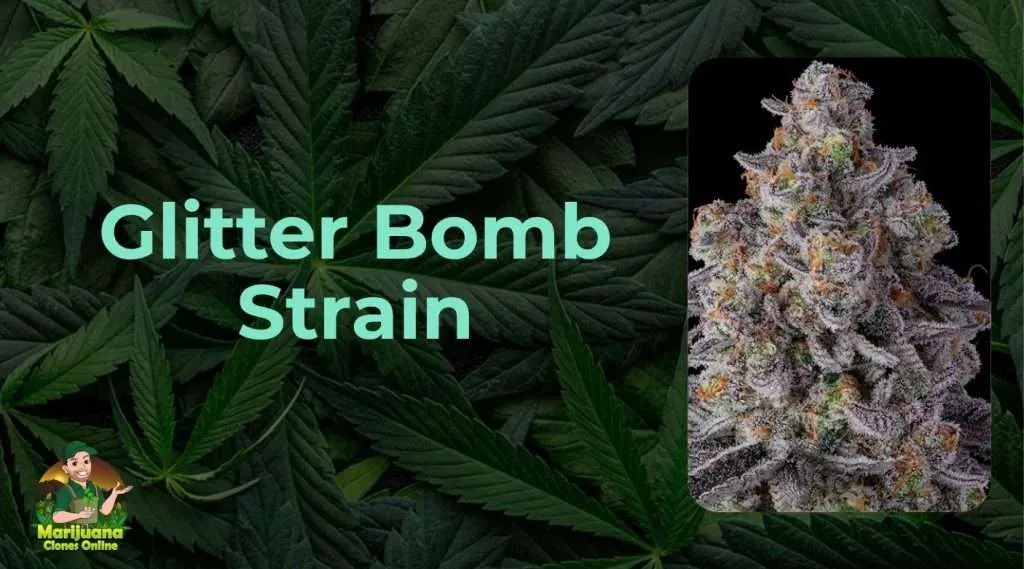
Is Glitter Bomb worth the spot in your garden compared to other candy-gas hybrids? This is the kind of question experienced growers ask before investing time, space, and resources into a new cultivar. Glitter Bomb has earned a reputation for its intense frost, loud terpene profile, and elite genetics, but performance is what matters most in a real grow.
This guide breaks down everything you need to know about Glitter Bomb’s genetics, flowering behavior, training response, yield potential, and cultivation needs. You will also learn why growers across the country are choosing verified clones over untested seeds for this standout strain.
Glitter Bomb Genetics & Origin: What Makes It So Unique?
Glitter Bomb carries a reputation that speaks for itself. Its roots run deep in some of the most sought-after genetics in the modern scene, and when grown right, it delivers the kind of results that make people stop and stare.
This strain was bred by Compound Genetics and is the result of crossing Grape Gas with OGKB Blueberry Headband. That combination brings out a rich terpene profile heavy on dark fruit, fuel, and earth with a finish that lingers long after the exhale. The Grape Gas side leans hard into grape candy and sour berry, while the OGKB parent adds structure, funk, and a deeper body effect.
Together, they create a strain that performs as good as it looks.
The name Glitter Bomb comes from its appearance and impact. Fully mature flowers sparkle under the light thanks to thick trichome coverage layered over deep purple hues, neon green leaf tips, and vibrant orange pistils. It’s one of the most photogenic cultivars we offer, and it lives up to the name every single run.
Best Conditions for Growing Glitter Bomb
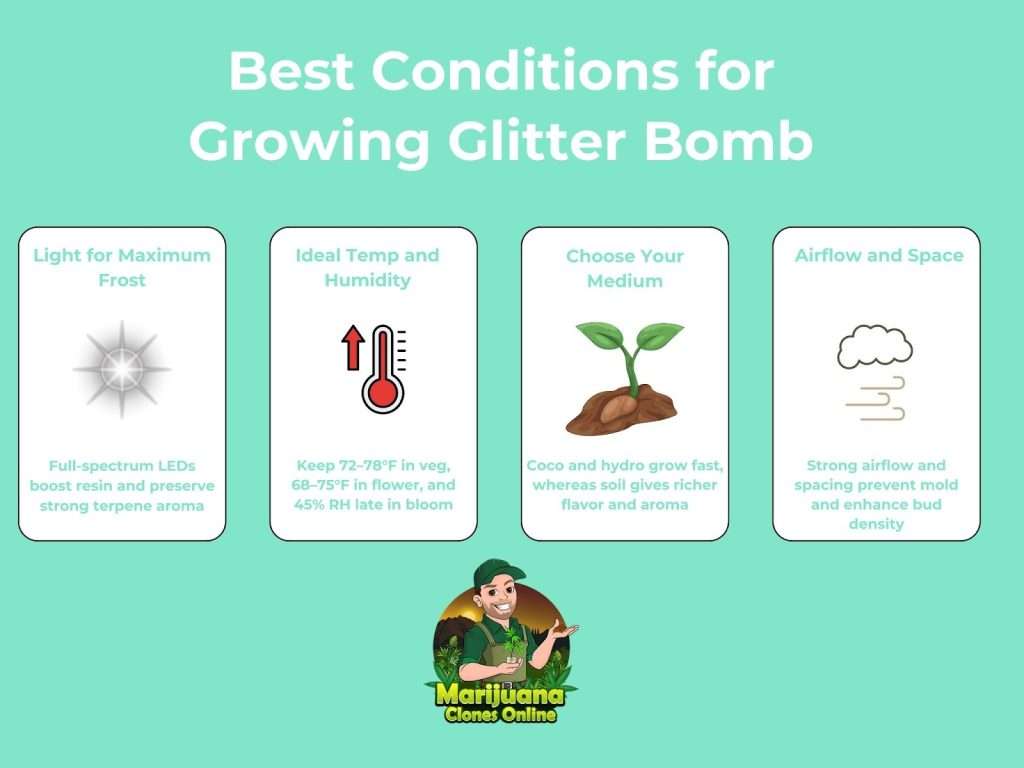
Glitter Bomb performs best in environments designed to support both visual appeal and resin production. With THC levels reaching 31 percent in verified cuts, this strain responds well to attention and precision. Compact structure, dense buds, and trichome saturation all depend on creating the right conditions from start to finish.
Lighting Setup for Maximum Frost
Full-spectrum LED lighting brings out the best in Glitter Bomb. High output LEDs increase resin density and preserve terpene integrity throughout flower. While HPS can still deliver results, LED systems tend to support higher bag appeal and stronger aroma in this cultivar. Maintain strong intensity in flower and keep canopy distance consistent to avoid light bleaching.
Ideal Temperature and Humidity Ranges
Glitter Bomb thrives in steady environments. Keep veg temperatures between 72 and 78 degrees and flower temperatures between 68 and 75. Lower the temperature during the final two weeks to boost color expression and slow terpene loss. Humidity should remain around 60 percent in veg and no higher than 45 percent during late flower. Dense colas require airflow and tight RH control to avoid mold.
Soil, Coco, or Hydro Setup
All media types work with Glitter Bomb, though hydro and coco tend to bring out more aggressive growth and quicker turnaround. Soil cultivators benefit from added aroma and a slightly richer flavor finish. For hydro setups, consistent pH and PPM management becomes essential, especially during transition weeks.
Clones or Seeds: What Delivers Better Results
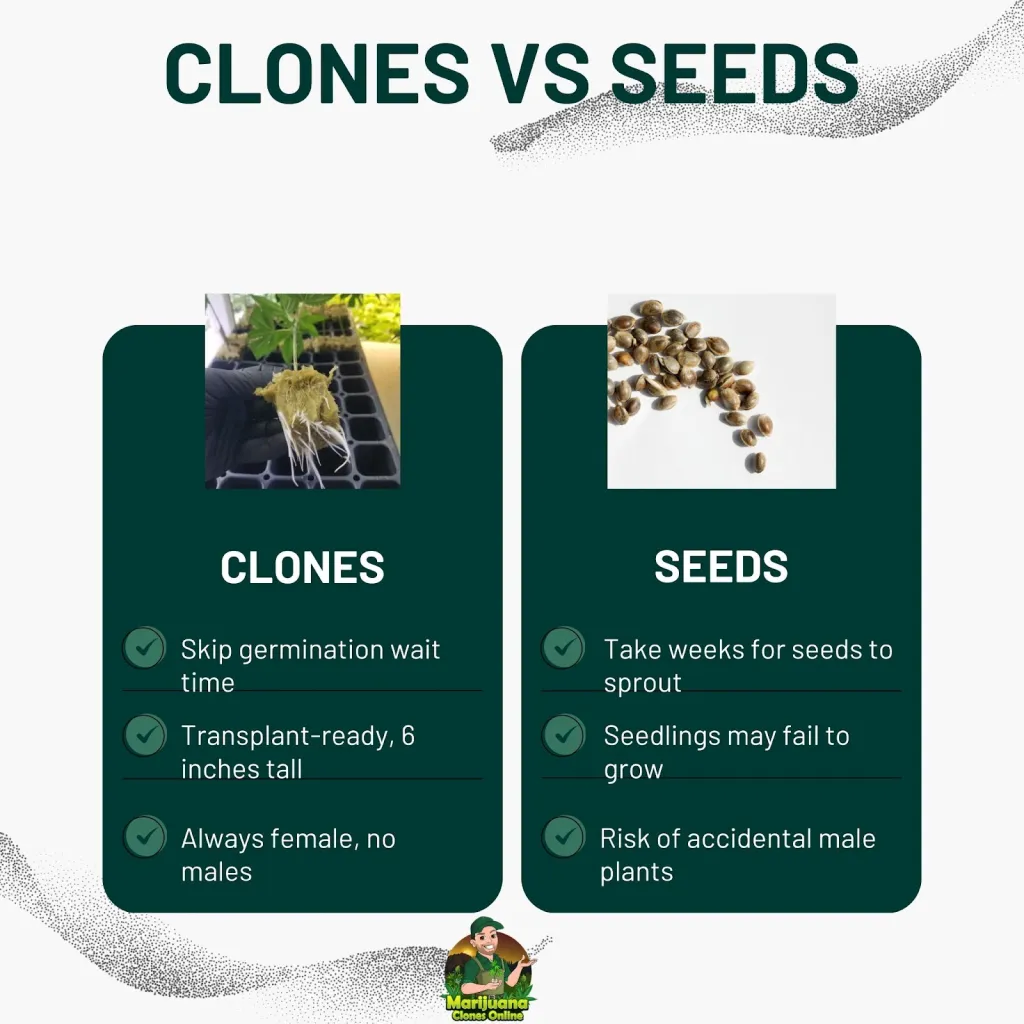
Clones provide genetic certainty, faster start times, and zero risk of males. Seed versions of Glitter Bomb often lead to variable traits, and some phenos lack the desired terp profile or potency.
The Compound Cut offered by Marijuana Clones Online is the only guaranteed way to run this cultivar as intended. Each clone is hardened, rooted, and delivered sterile for maximum survival and minimal stress.
Preferred Environment Types
Indoor and greenhouse setups give the most control over temperature, light, and airflow. Outdoor runs can work in dry climates but need support during late flower to reduce mold risks.
Glitter Bomb’s compact size suits tent systems and low-ceiling environments where space matters. Good airflow and filtration help preserve the terpene profile and protect against powdery mildew.
Feeding, Training & Environment Tips

Glitter Bomb rewards precision across every stage of growth. From feeding to canopy control, this strain responds well to structured environments and consistent routines. Each choice impacts the final result, so small adjustments can make a noticeable difference in yield, trichome coverage, and flavor retention.
Feeding Schedule and Nutrient Sensitivity
- Begin with a light feeding regimen in early veg and increase slowly over time
- Maintain peak flower feeding between 700 and 800 parts per million
- Supplement calcium and magnesium during mid bloom to prevent deficiencies
- Increase phosphorus and potassium from week four through week seven of flower
- Avoid nitrogen-heavy formulas during bloom to protect terpene and resin output
- Check runoff pH consistently to prevent lockouts and slowdown
Training Techniques That Work
- Top during early veg to develop stronger lateral growth and a more even canopy
- Apply low stress training to expose bud sites and improve airflow
- Use scrog nets to stretch the canopy and support heavy colas
- Remove inner and lower growth before flowering to redirect energy
- Time defoliation before flip and again around week three of flower to reduce stress
Environment Control for Dense Colas
- Keep veg temperatures between 72 and 78 degrees and flower between 68 and 75
- Target 60 percent humidity in veg and 45 percent or lower during late flower
- Ensure strong airflow using oscillating fans to protect against mold
- Use carbon filters and clean air intake to preserve aroma and quality
- Allow slightly cooler nights in late flower to encourage purple coloration
Harvest and Cure Tips for Flavor Retention
- Hang dry whole plants in a dark space at 60 degrees and 60 percent humidity
- Extend drying period to 10 to 14 days for smoother smoke and full terpene expression
- Cure in glass jars, opening daily for the first two weeks to release moisture
- Store cured flower in a cool, dark place to maintain aroma and structure
- Avoid heat and rapid drying methods which can flatten the nose and reduce smoothness
Glitter Bomb thrives under attention to detail. By dialing in nutrients, training the canopy early, and managing airflow during late flower, cultivators can unlock the full potential of this elite cut. Every adjustment leads closer to flower that looks and performs like it came from a top shelf jar.
Is Glitter Bomb Worth Growing?
Yes, Glitter Bomb is absolutely worth growing for those who want high returns in quality, appearance, and potency. This strain consistently delivers dense, trichome-heavy buds that stand out in both jars and extract runs.
Its unique combination of candy grape and gas-driven terpenes appeals to anyone aiming to produce memorable flower with commercial or personal appeal.
That said, success with Glitter Bomb depends on commitment to clean environments, steady feeding, and careful handling during late flower. It is not designed for autopilot grows or loosely managed rooms. With that in mind, here are the clear pros and cons to help decide if this cultivar belongs in your next cycle.
Pros:
- Stunning visuals
- Great for extracts
- High THC and terp profile
- Unique compound genetics
Cons:
- Not the easiest for first-time growers
- Prone to mold without good airflow
Ready to Upgrade Your Grow?

MCO offers premium Glitter Bomb clones rooted from exclusive breeder cuts. These are sterile, pest-free, and primed to explode in yield, frost, and flavor. Start your next harvest using genetics trusted by pros.